CritterCrazy!

"Eye of the Critter"
CritterCrazy!
Guinea Pigs

The Perfect Cage
To provied cavy comfort, you’ll need to provide a minimum of four square feet of cage space per guinea pig—but try to get as large a cage as possible. You’ll need a solid bottom cage with no wire floors, as they can irritate your pets’ tender feet. Plastic bottom “tub cages” withwire tops also make great guinea pig homes. Never use a glass aquarium, due to the poor ventilation that it provides.
Happy, Healty Diet
Guinea Pigs are veggetarians, meaning they only eat veggietables and an occasional fruit, depending on your cavy's preference. Guinea Pigs should be fed 2-3 times per day, and each serving should be a half a cup of fresh veggies. Here is a list of what Guinea Pigs can eat:
-Red & Yellow Pepper
-Carrots
-Apples-just make sure they don't have any seeds.
-Oranges
-Leafy greens like red lettuce, romaine, Boston lettuce,
-Cucumbers
-Broccoli (in moderation since it can be gassy)
-Green beans-raw
-Dandelion Greens
-Spinach (in moderation)
-Cherry tomatoes (in moderation)
-Cilantro
-Parsley - either curly or flat
-Timothy Hay
-Pellets
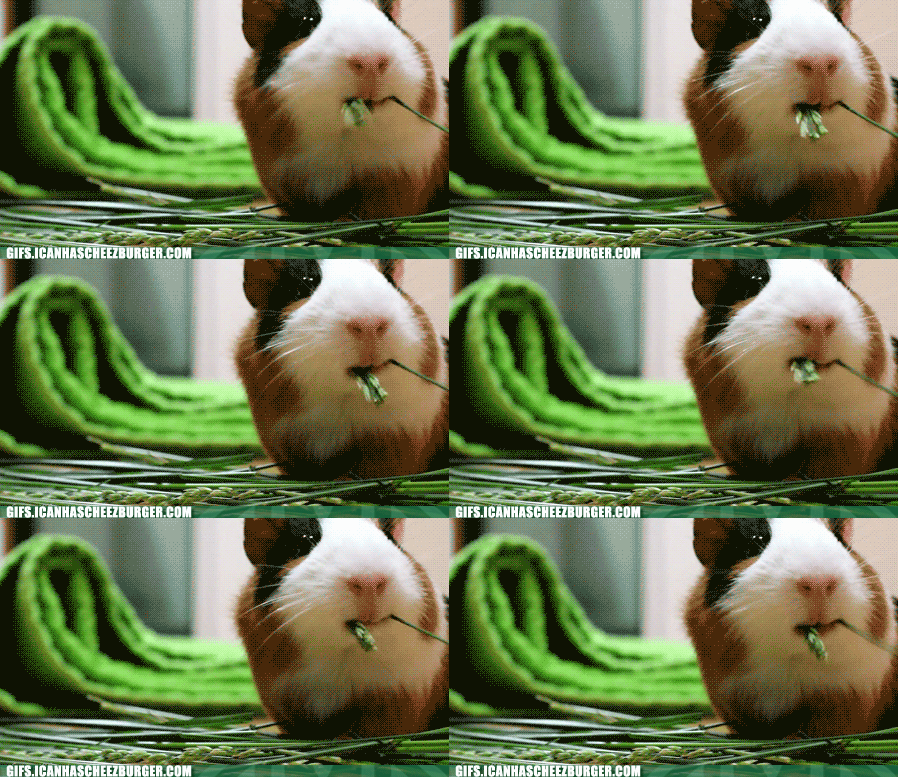


About Guinea Pigs
Guinea pigs are not related to pigs, but are actually part of the Cappybara family. Guinea pigs are native to South America, but now live all over the world. Unlike most rodents, guinea pigs are born with their eyes open and a full coat of fur, making them mammals. Guinea pigs can develop social relationships with people or other animals, such as cats, dogs, and rabbits, but is best to introduce their life-long partner at a young age. A guinea pig is also called a cavy, a South American rodent with a sturdy body and vestigial tail. A male guinea pig is called a boar, a female guinea pig is called a sow, and a baby guinea pig is called a pup. And, Guinea pigs were first introduced as exotic pets.
Munchy, munchy, munchy!